Development
Research


Client
Artisan
 USA
USA
USA
Services
Ux audit
website redesign
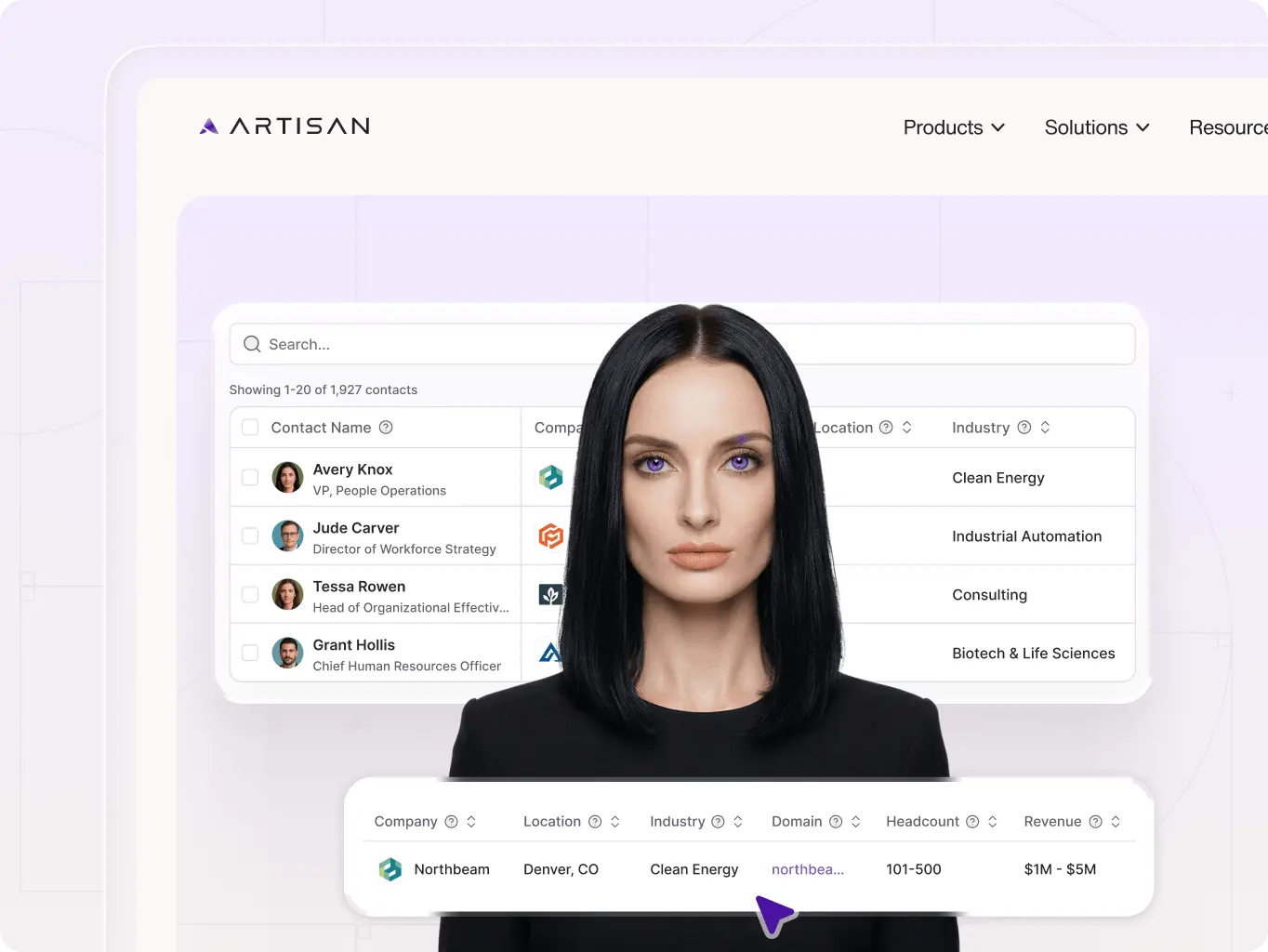
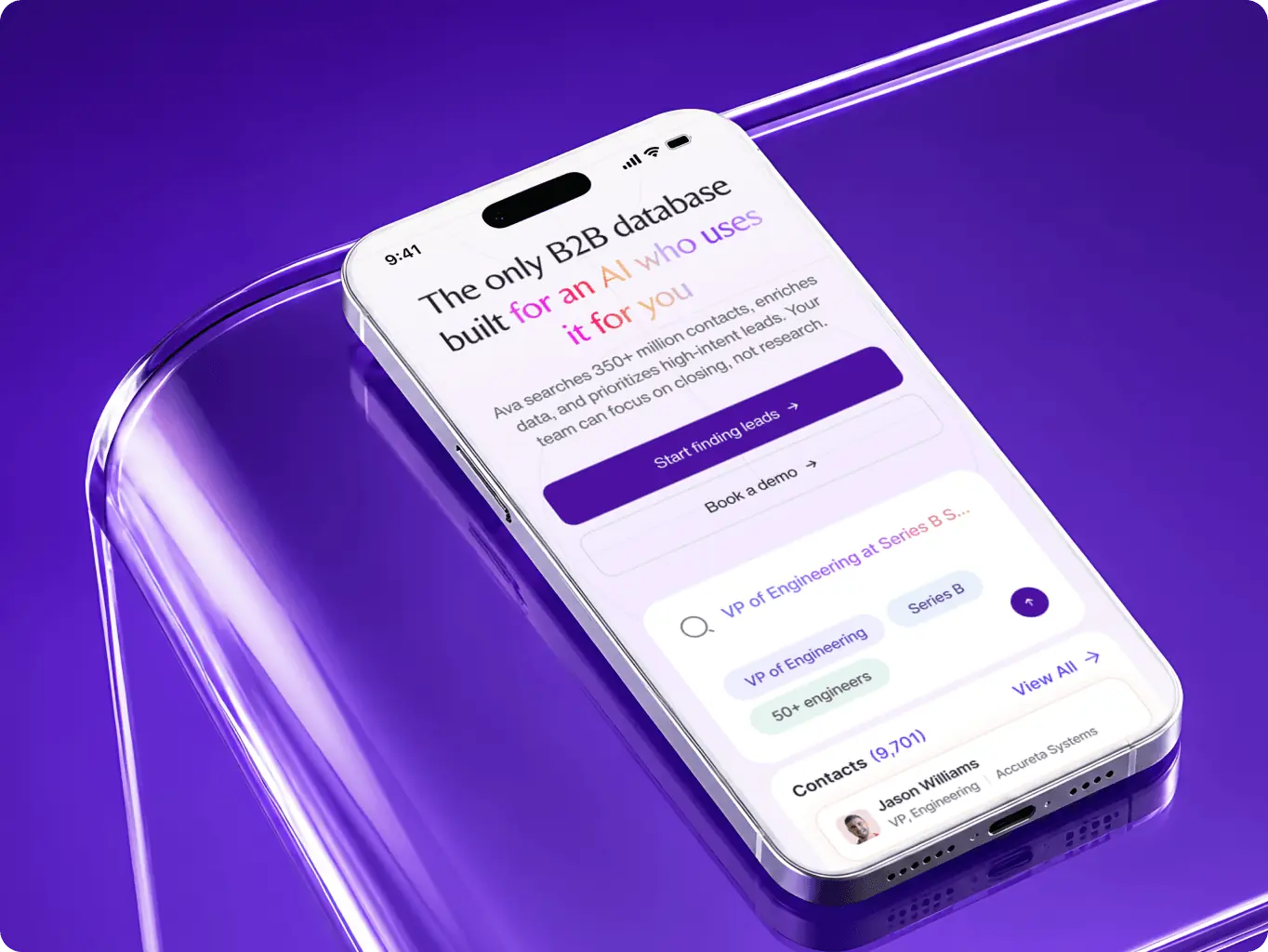
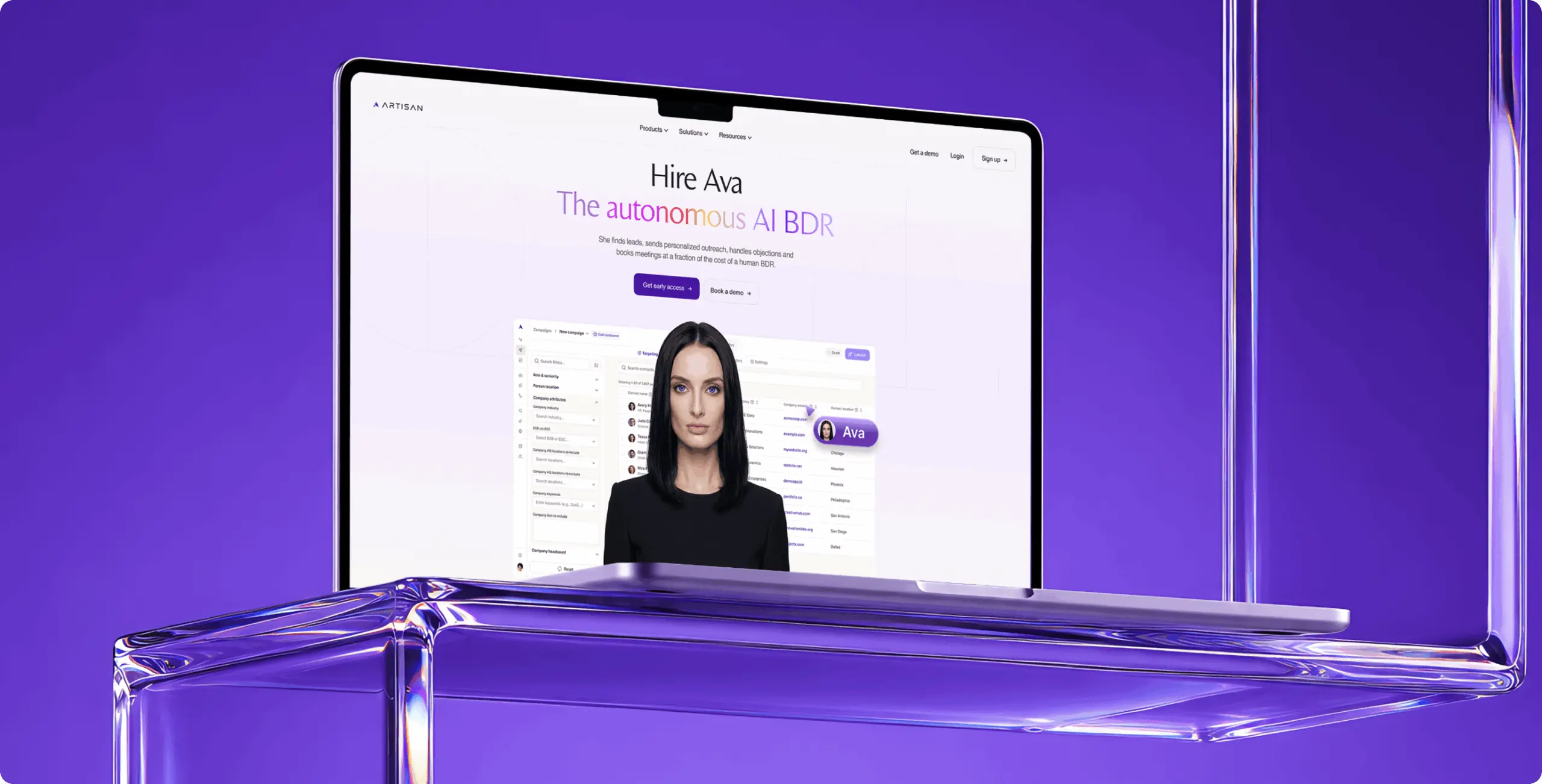
The client needed to reposition Artisan as a modern AI company rather than a traditional SaaS platform. The previous website no longer reflected the sophistication of the product or the company’s growth ambitions, making it harder to differentiate in the competitive AI market.
At the same time, the business required a faster and more flexible website system capable of supporting continuous launches, SEO updates, and new product pages without creating production bottlenecks.
The project focused on improving brand perception while building a website infrastructure that could support rapid growth and ongoing expansion.
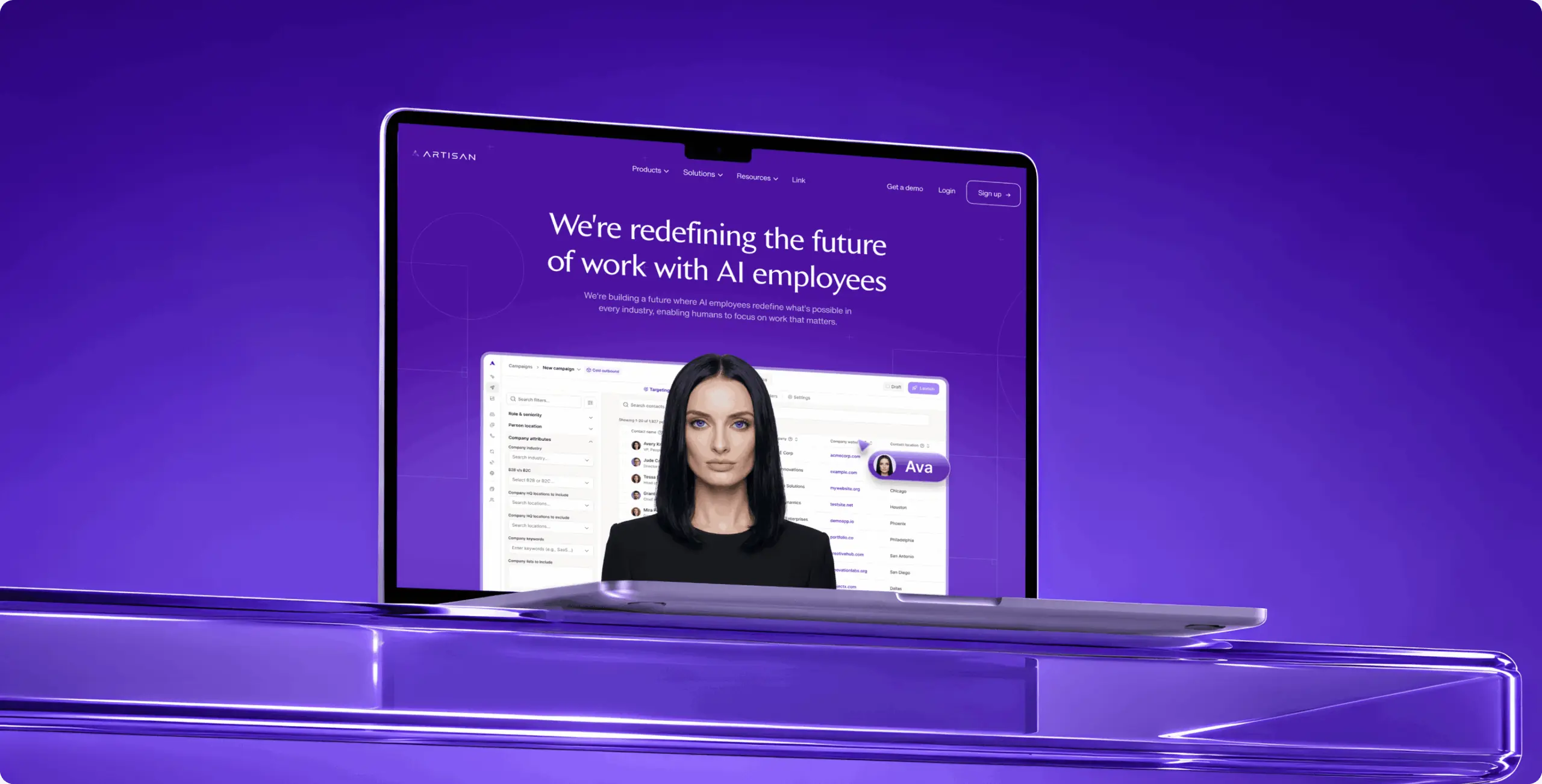
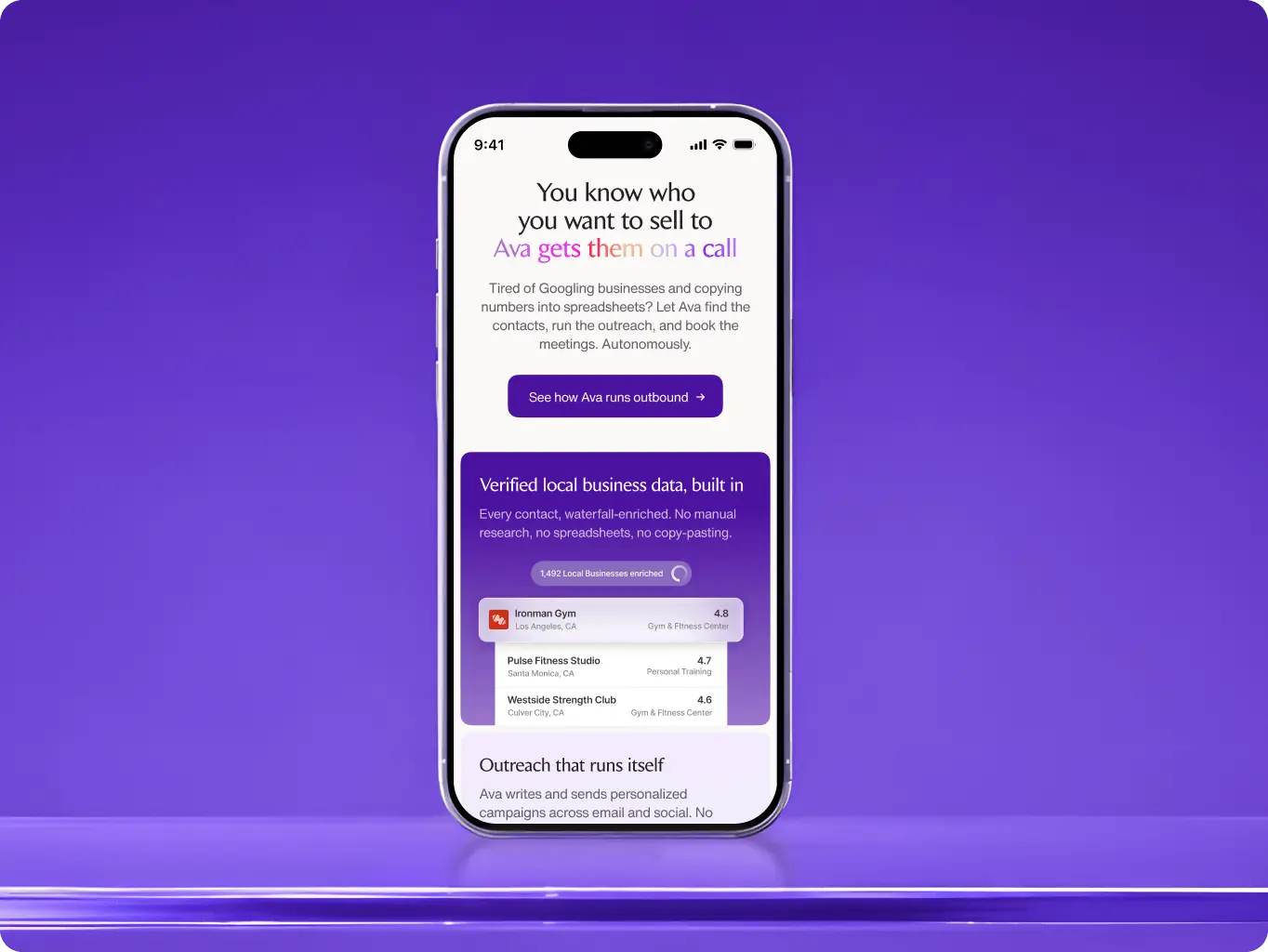
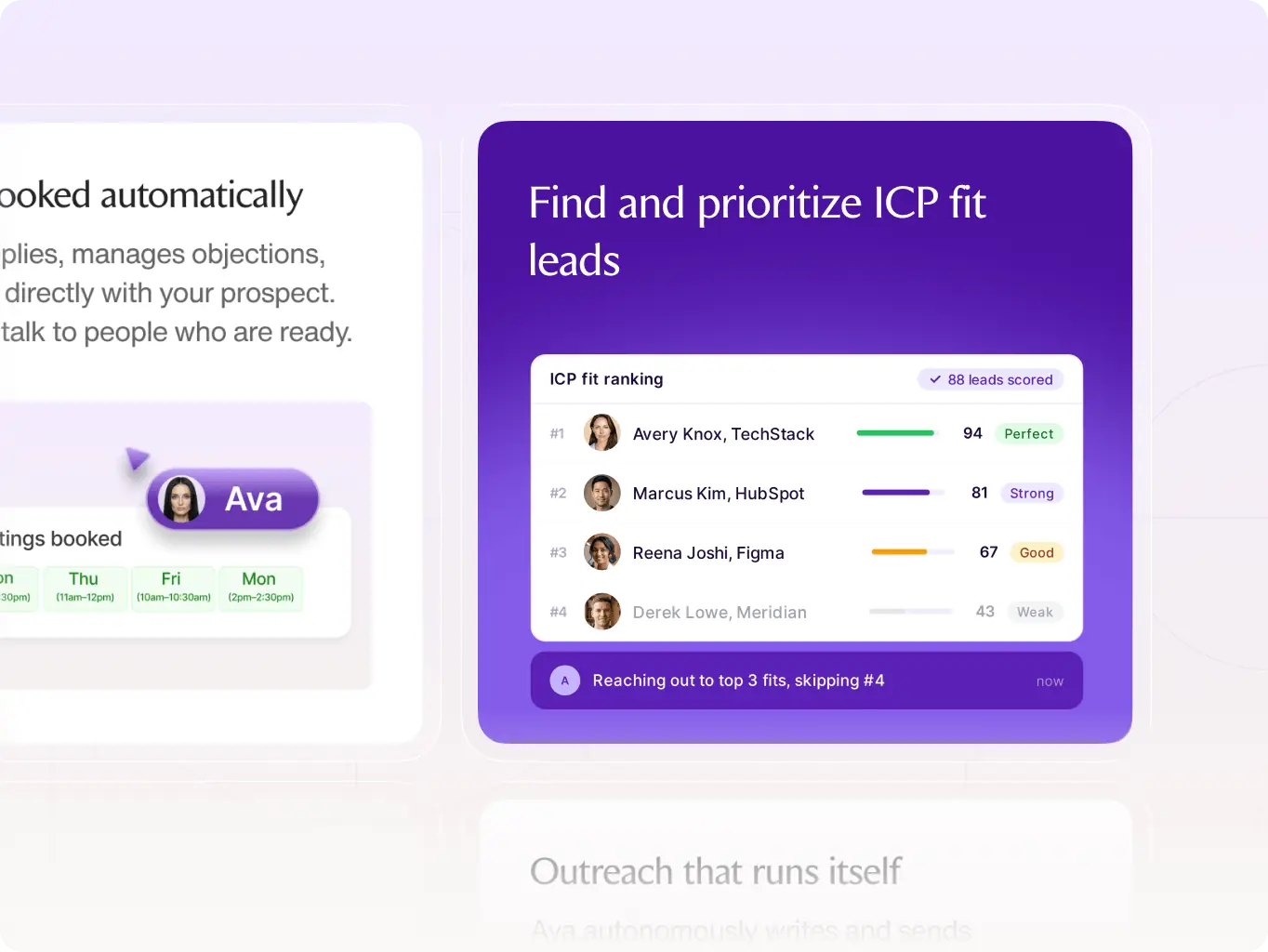

The research phase focused on understanding how leading AI companies communicate product value, build trust, and convert visitors into potential customers. We analyzed how competitors explain complex automation products, structure their messaging, and guide users toward actions such as booking demos or starting trials.
The goal was not simply to study visual trends, but to identify what helps AI products feel understandable, credible, and differentiated in a crowded market. This helped define a clearer communication strategy for Artisan, focused on simplicity, stronger business messaging, and more realistic product presentation instead of abstract AI marketing language.
Stages
- UX audit
- Competitors analysis
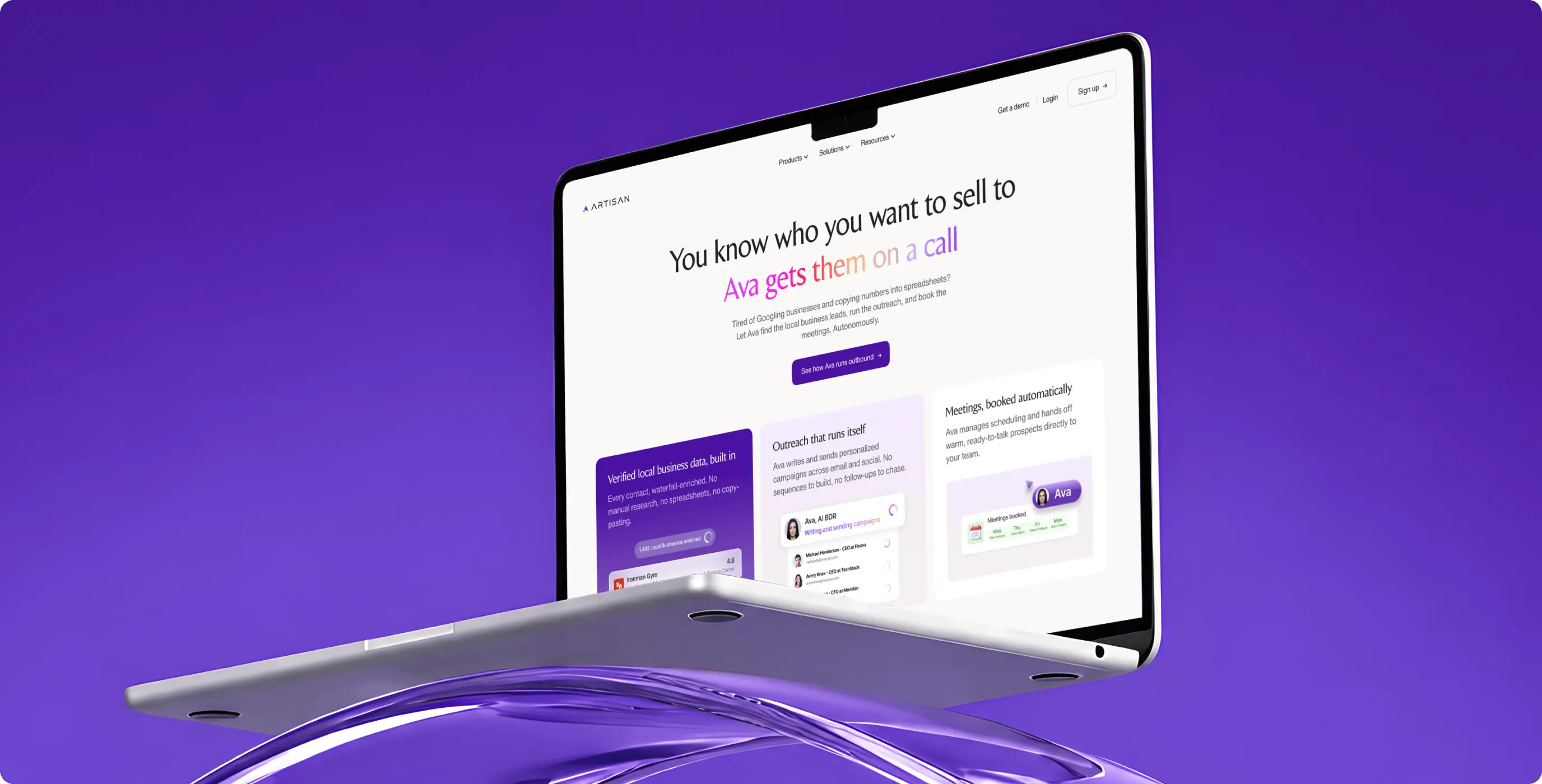
We started the project with a UX audit of Artisan’s existing website to identify communication gaps, usability issues, and weak points in the user journey. The analysis focused on how AI product capabilities were presented and how effectively the website supported conversion-focused actions.
The audit revealed several key problems: unclear product messaging, overly dense layouts, and a visual direction too similar to traditional SaaS platforms. As a result, users had difficulty quickly understanding the platform’s value and differentiation. Based on these findings, we simplified the information structure, improved content clarity, and strengthened the product’s AI-focused positioning.
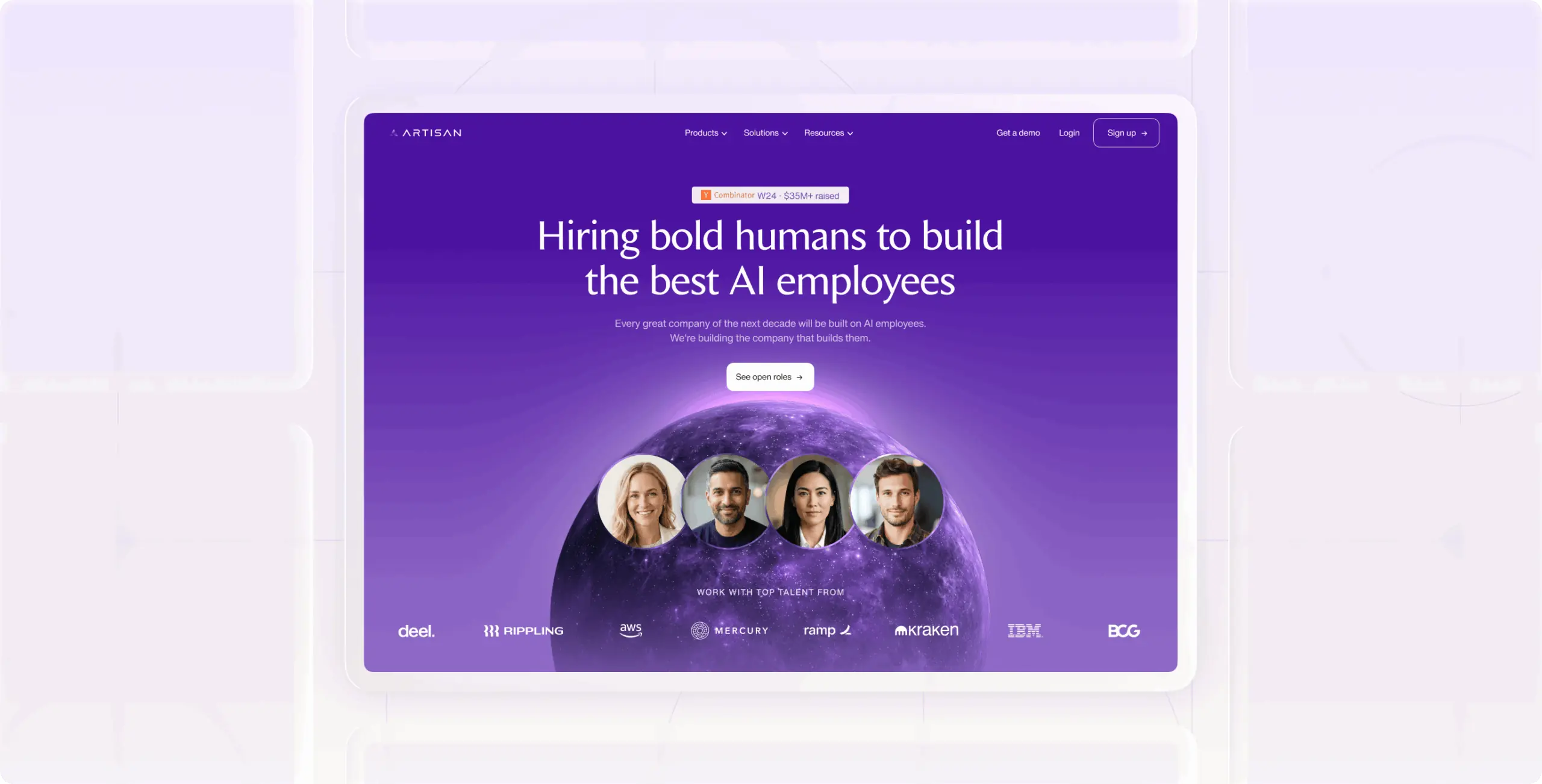
The competitor analysis focused on understanding how leading AI platforms attract attention, communicate product value, and convert visitors into leads. We studied products such as Jasper, Reply.io, Apollo.io, Clay, and Lindy to identify which approaches helped simplify complex AI products and build stronger trust with potential customers.
The research highlighted several business opportunities: clearer value propositions, stronger use of social proof, more structured content flows, and better demonstration of real product scenarios. Many competitors relied heavily on visual effects and overloaded interfaces, creating opportunities for Artisan to stand out through clearer communication, more focused messaging, and a cleaner user experience.
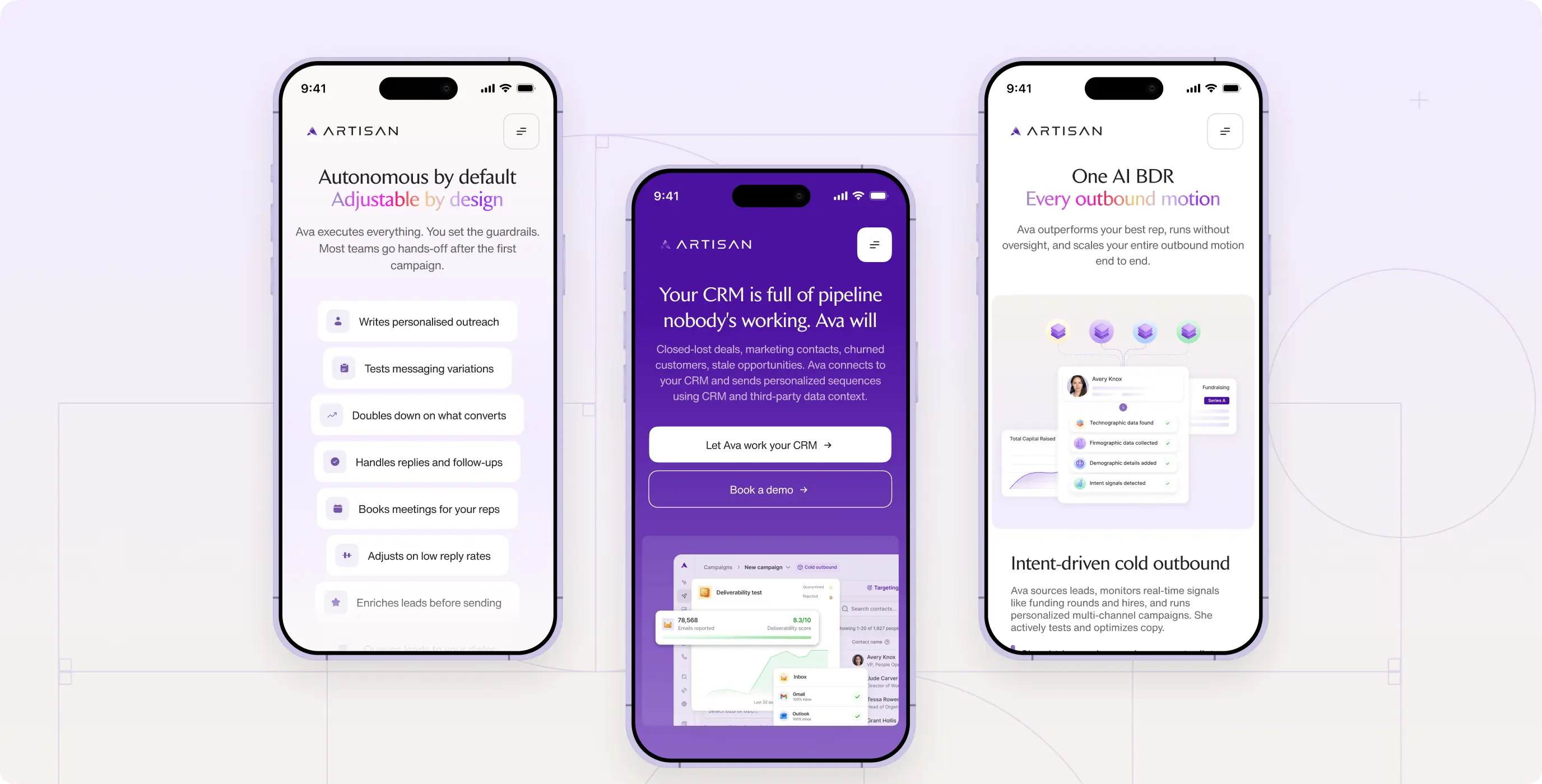
The design process focused on creating a premium visual system that feels modern, futuristic, and highly adaptable across a rapidly growing marketing ecosystem.
The challenge was not only to redesign the website visually, but also to establish a scalable foundation capable of supporting continuous content expansion, fast production cycles, and evolving business priorities. Every stage of the process was built around flexibility, operational speed, and maintaining a strong product-focused narrative throughout the experience.
Stages
- Wireframe
- Design direction
- UI Design
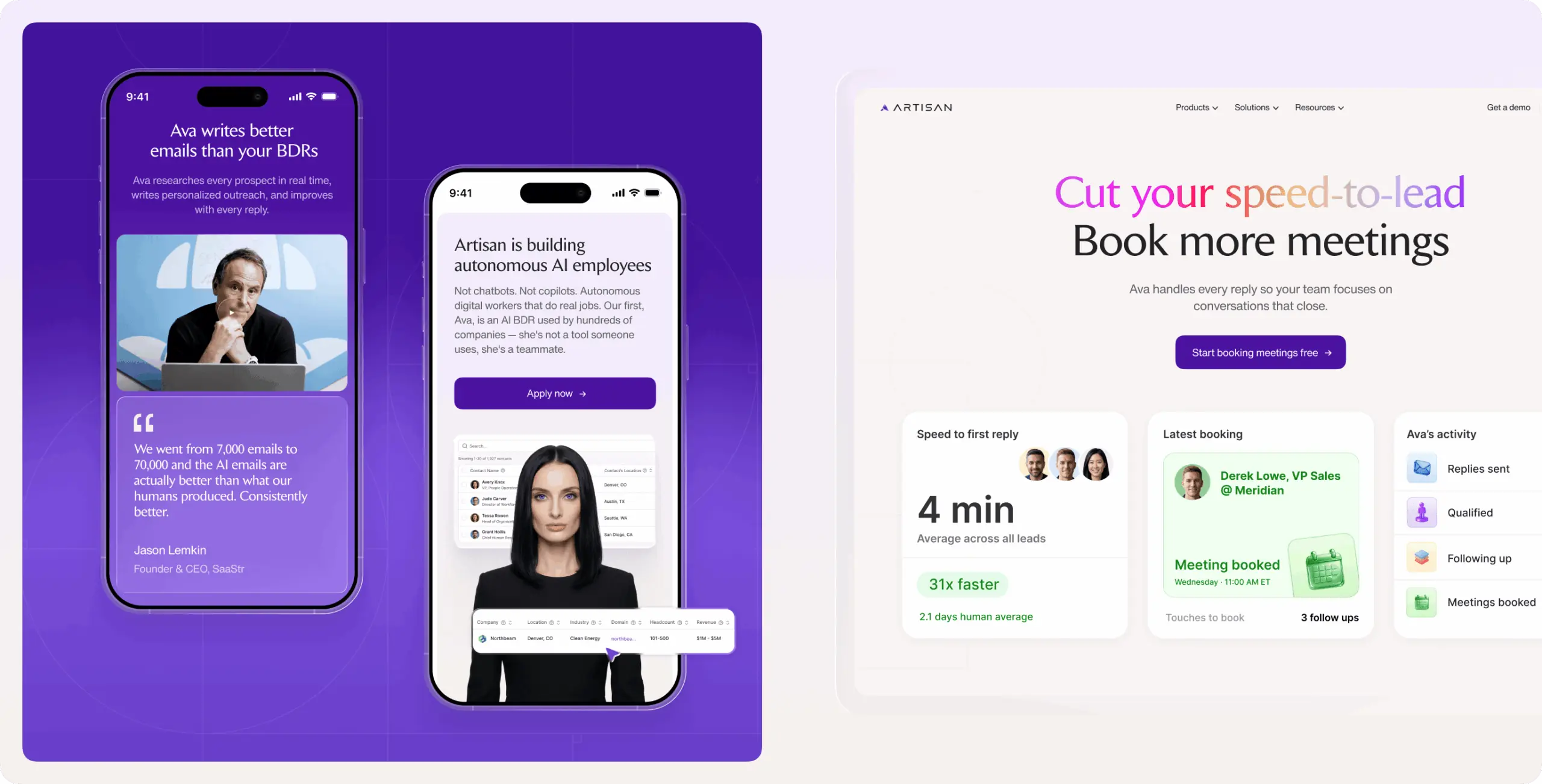
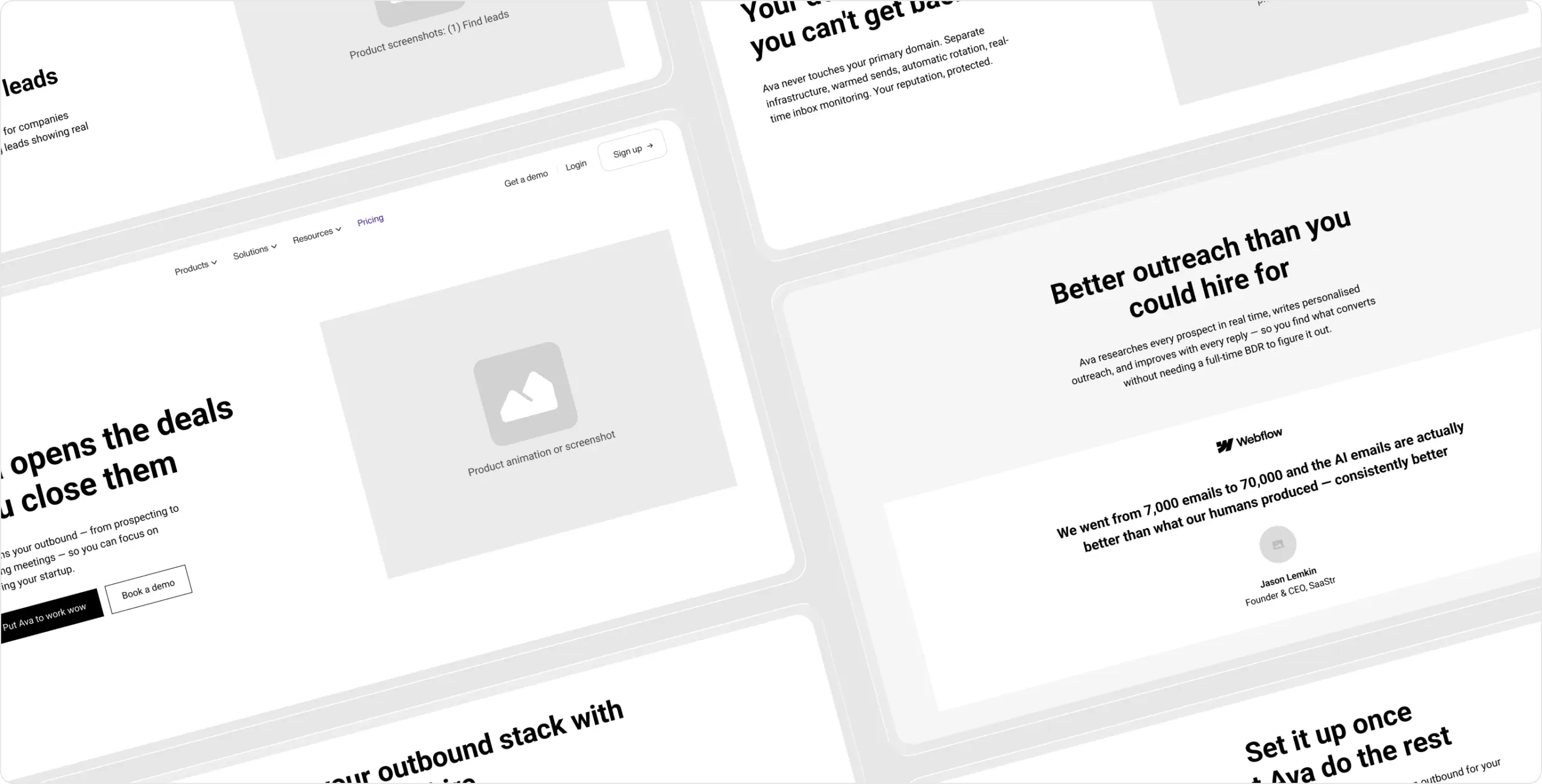
During the wireframing stage, we focused on simplifying how users navigate complex AI sales workflows and product information. The goal was to create a clearer user journey that helps visitors faster understand the platform’s value, explore key features, and move toward actions such as booking demos or contacting sales.
Different layout approaches, CTA placements, and content structures were tested to improve readability, reduce friction, and support faster decision-making across high-priority pages.
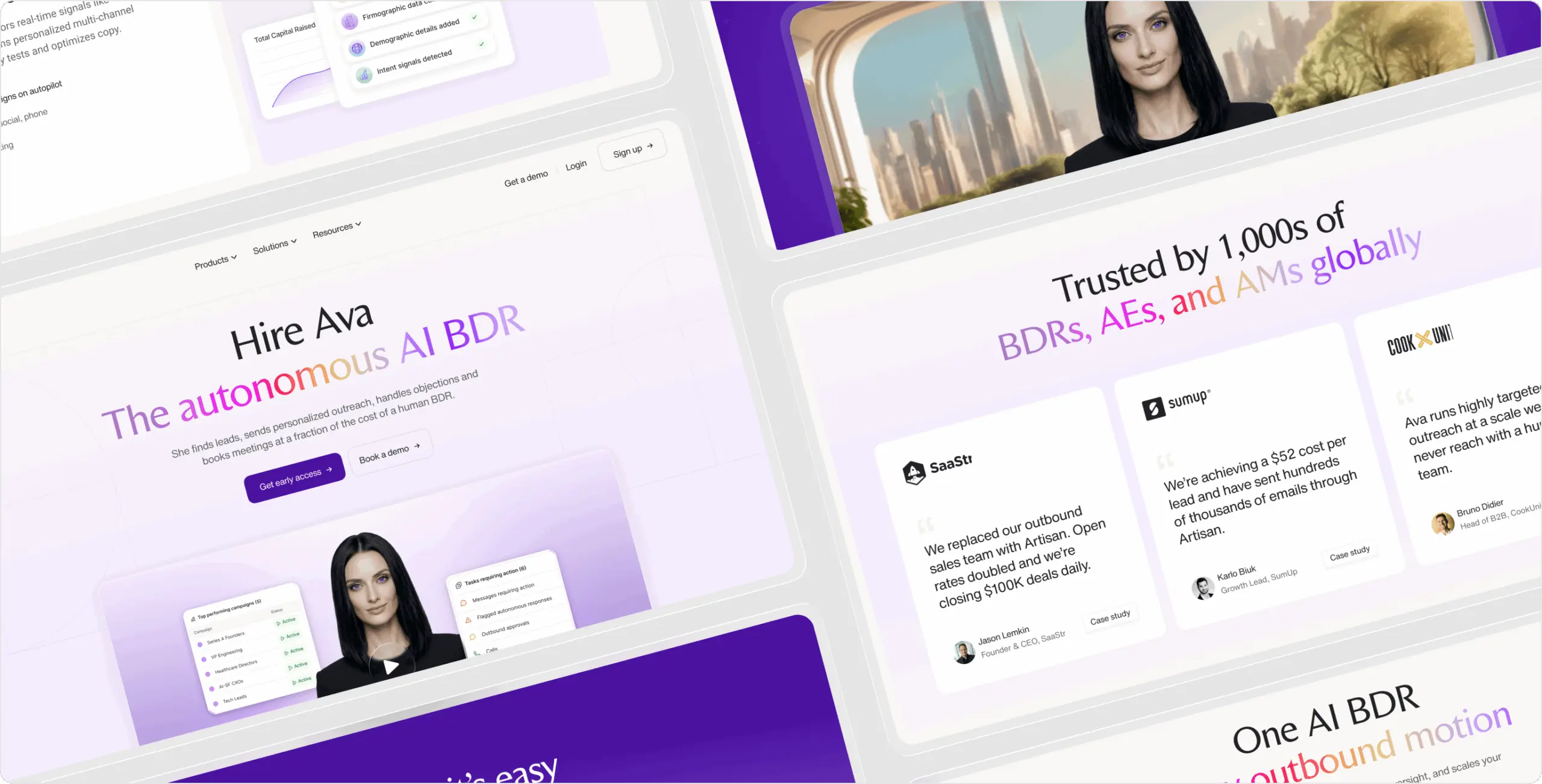
This phase focused on finding a visual direction that better matched Artisan’s positioning as an advanced AI company. We explored references from technology, AI, and enterprise products to identify a style that feels more premium, innovative, and trustworthy while avoiding the overly generic SaaS patterns common in the market.
Particular attention was given to balancing bold visual identity with clarity and usability, ensuring the future design direction could support both strong brand perception and effective product communication.
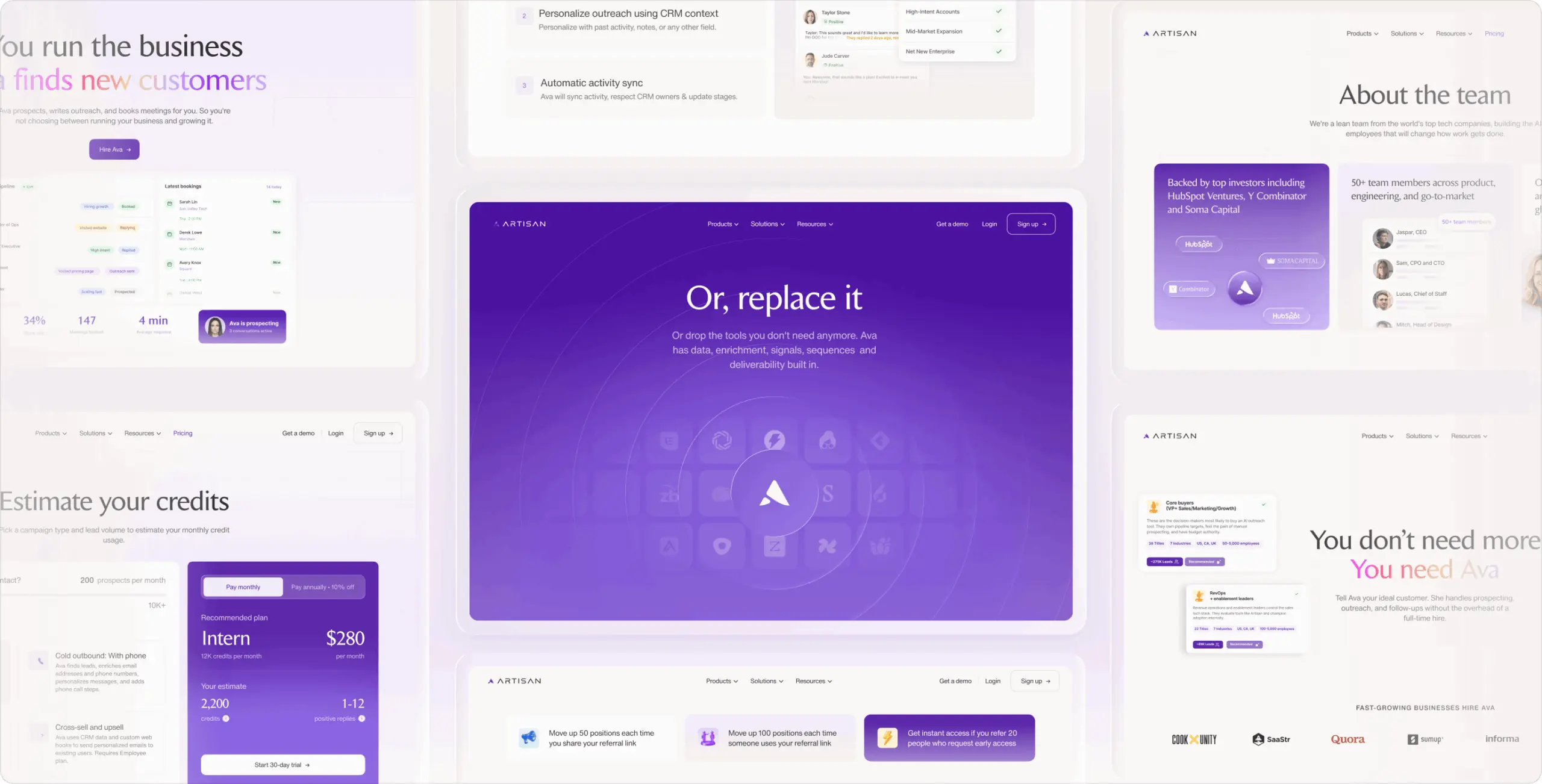
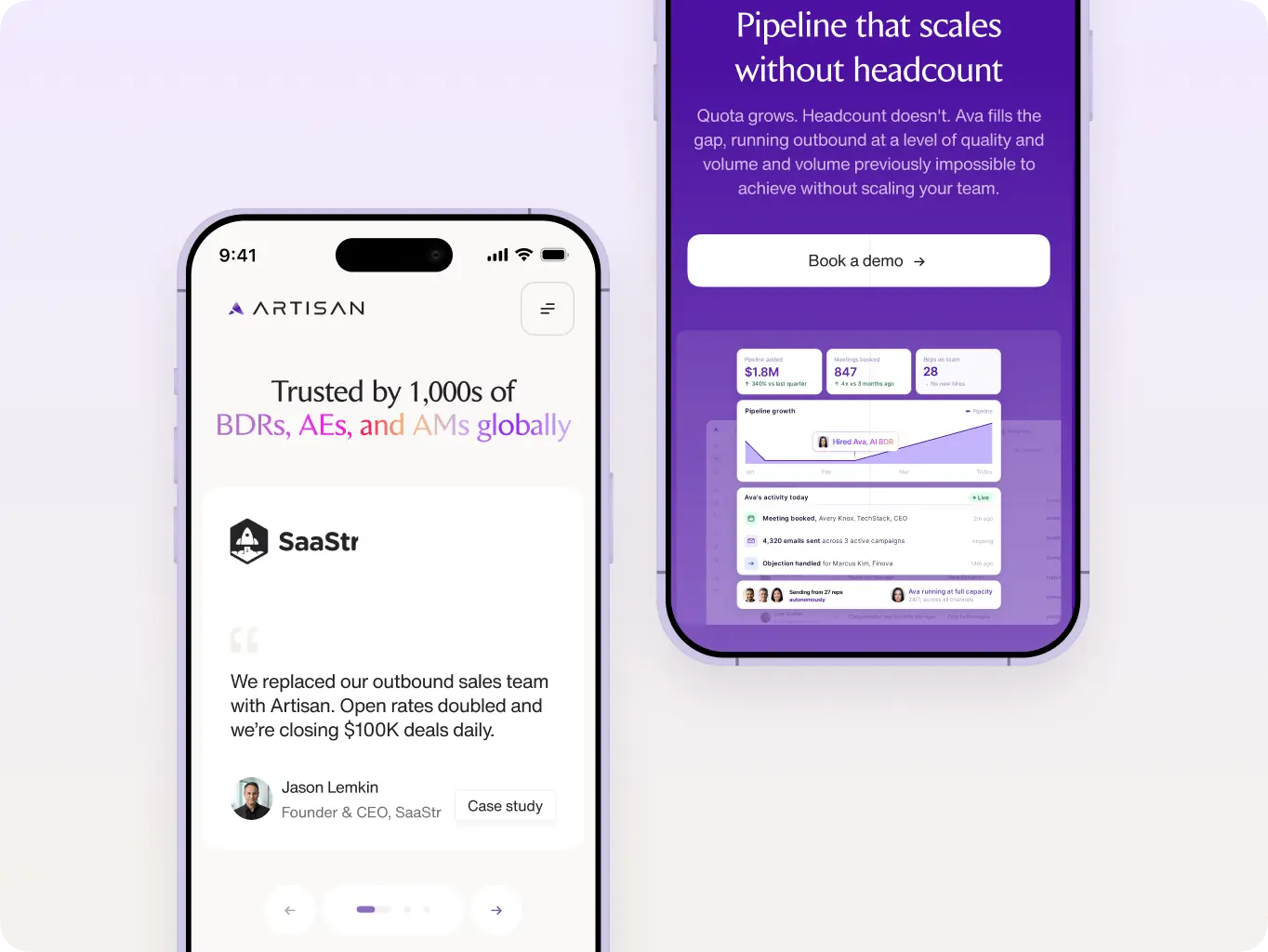
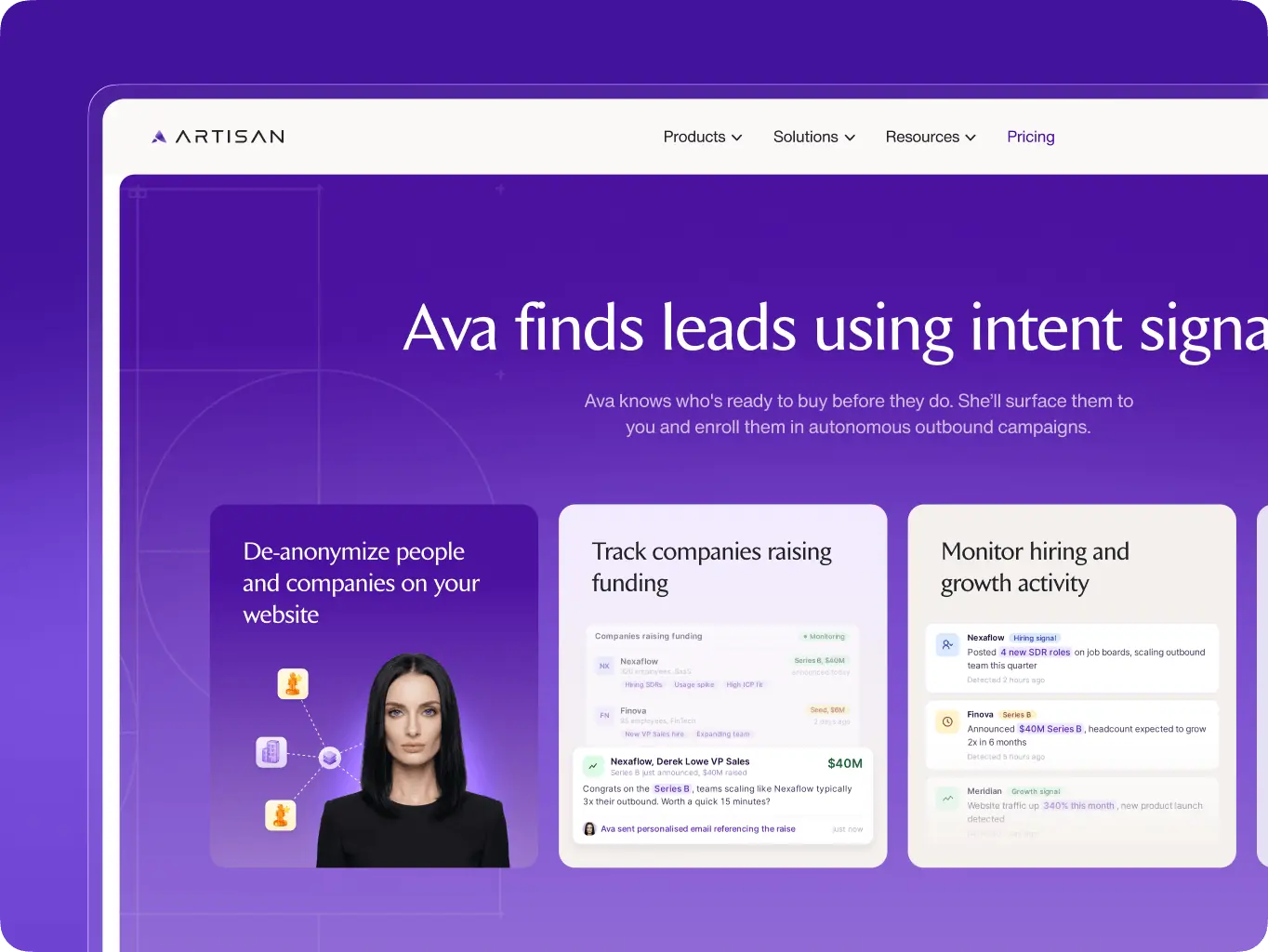
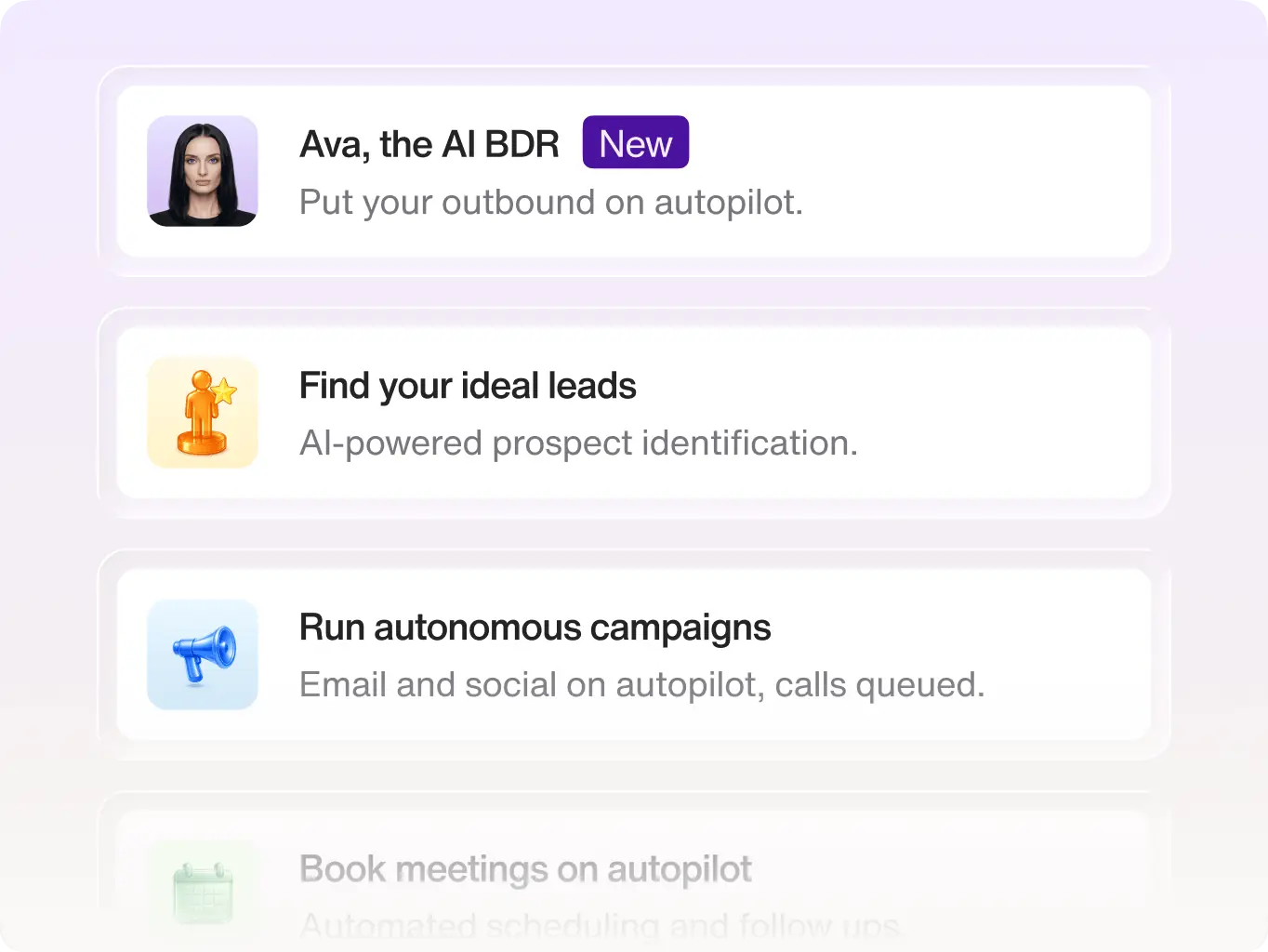
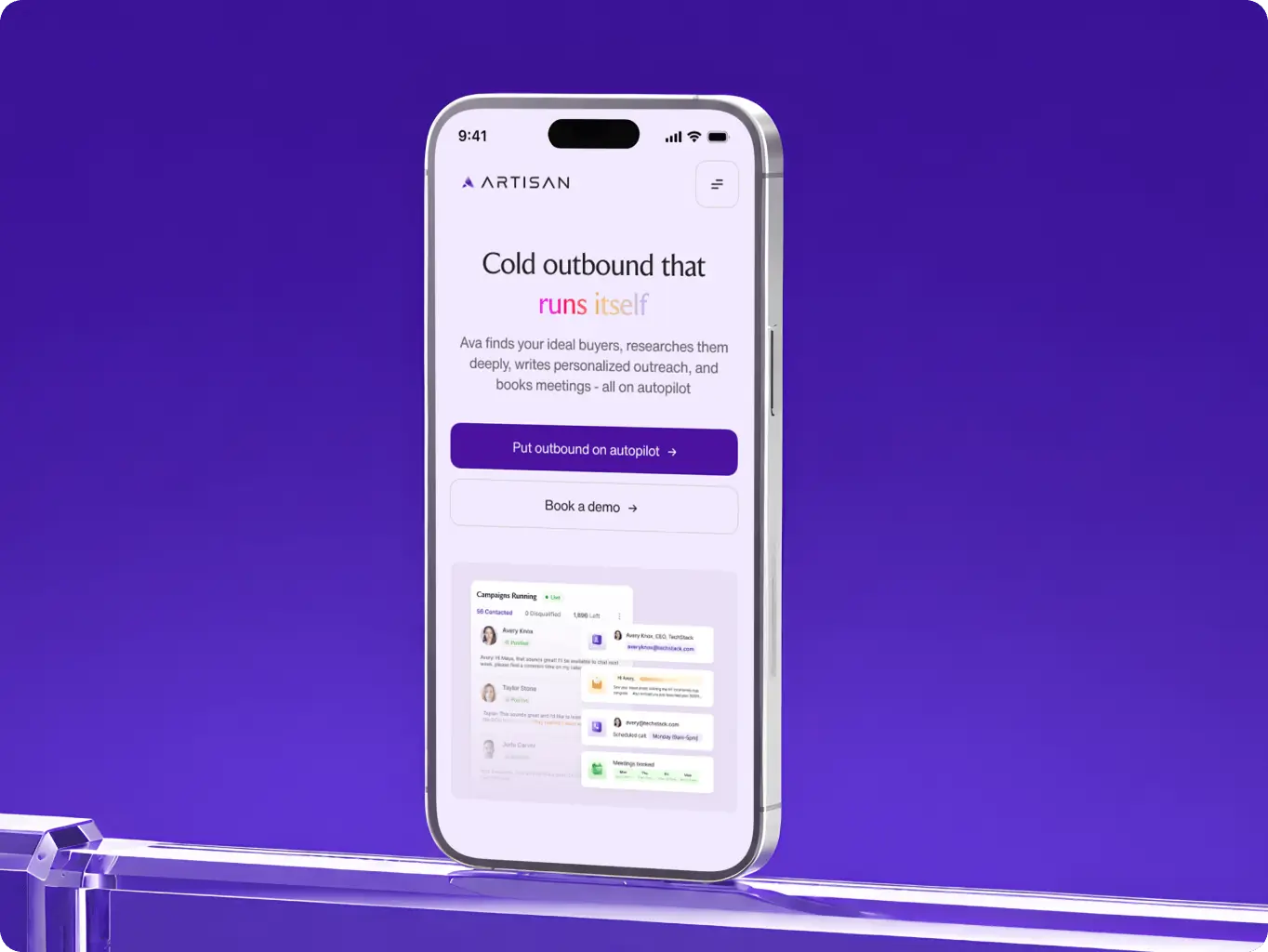
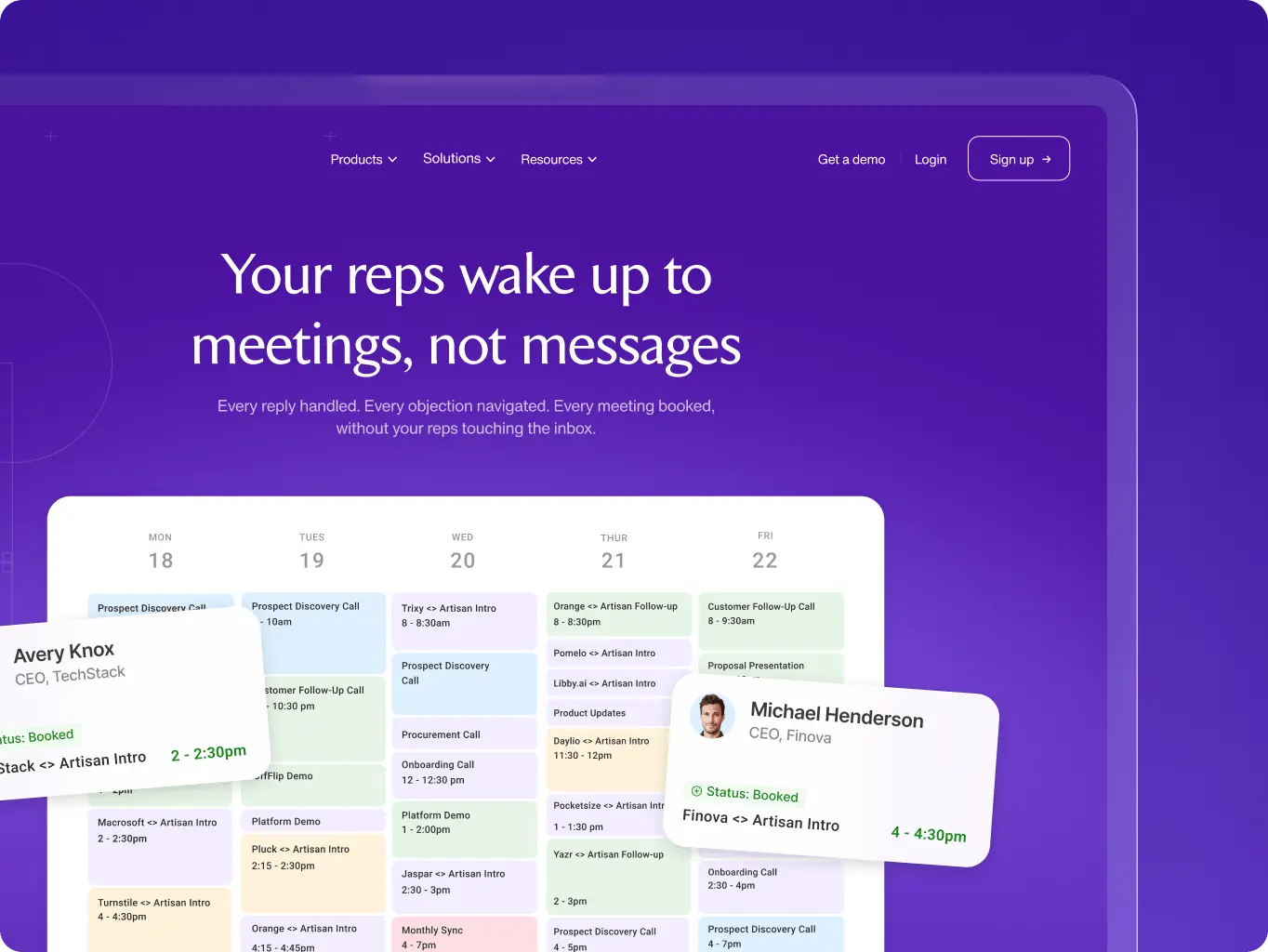
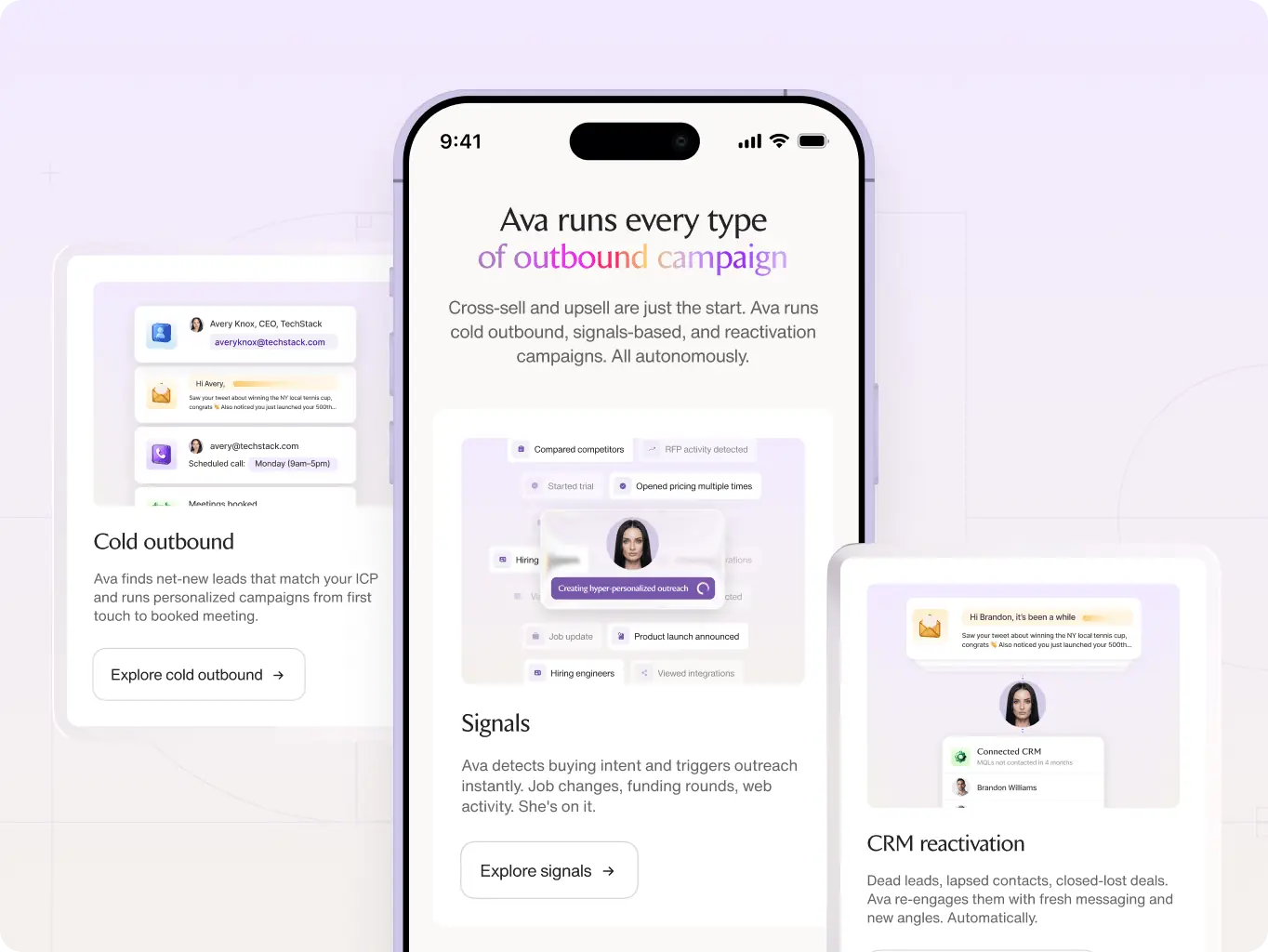
The UI design focused on translating the new brand positioning into a website experience that feels more premium, modern, and aligned with the company’s AI focus. The previous visual system was difficult to expand and no longer reflected the scale or ambition of the product.
To solve this, we developed a more structured UI system with reusable components, responsive layouts, and clearer content presentation. This helped the business launch pages faster, maintain consistency during constant updates, and strengthen Artisan’s positioning as a more advanced AI platform.
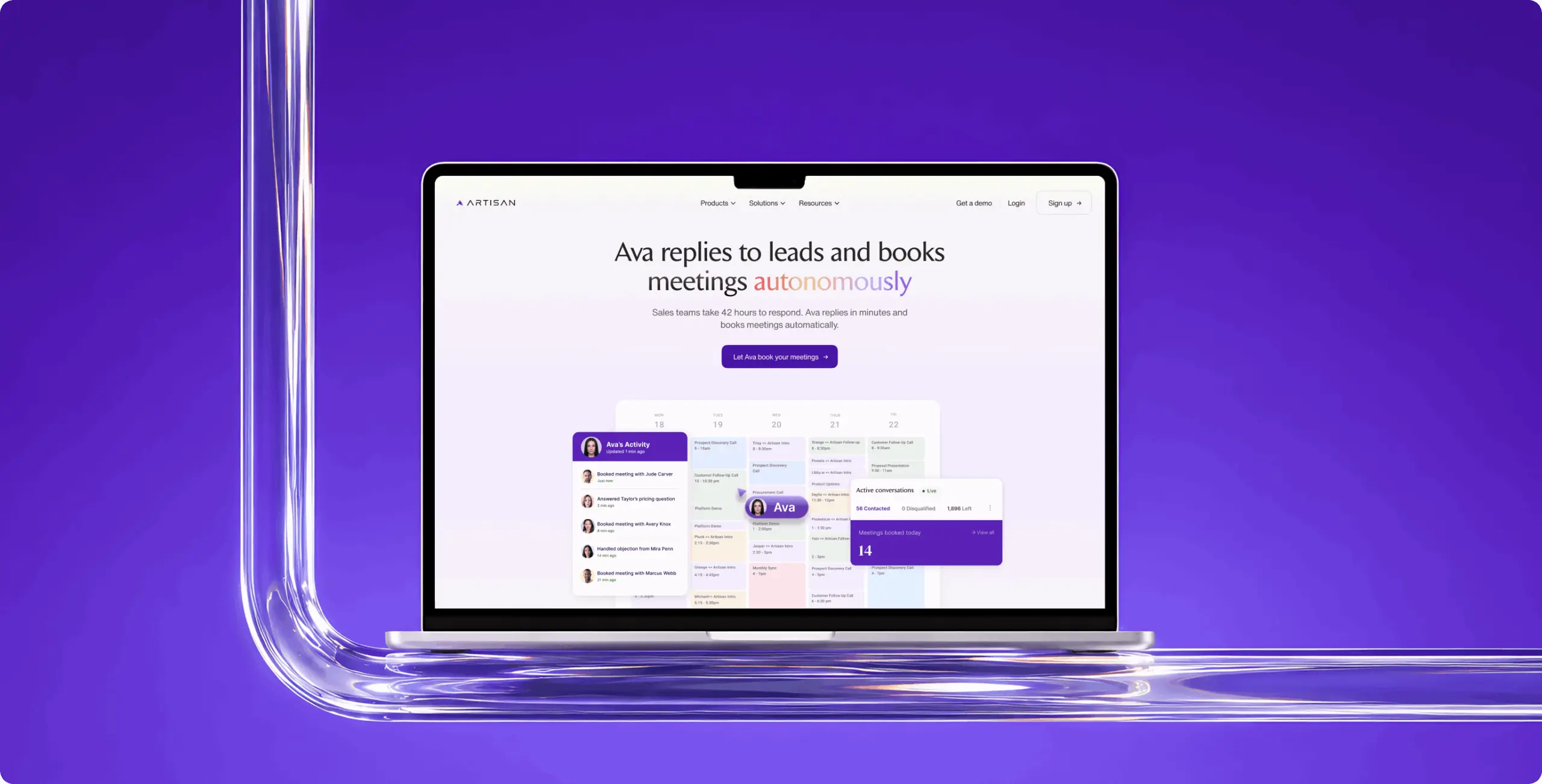
Following the initial launch, the collaboration continued as the platform kept expanding across new marketing and product directions. We remained involved in ongoing website support, responsive QA, iterative improvements, and the development of additional pages that were not included in the first launch wave.
As new campaigns, features, and SEO initiatives emerged, the website continued evolving through close coordination with the client’s internal teams.
#Website design #website development
EVERON
United States
United States

#Website redesign #Website development
superantispyware
USA
USA
#Website redesign #Website Development
Suzy
 United States
United States
Have a project in mind?
Let's chat
Have a project to
discuss?
discuss?



Have a partnership in
mind?
mind?